
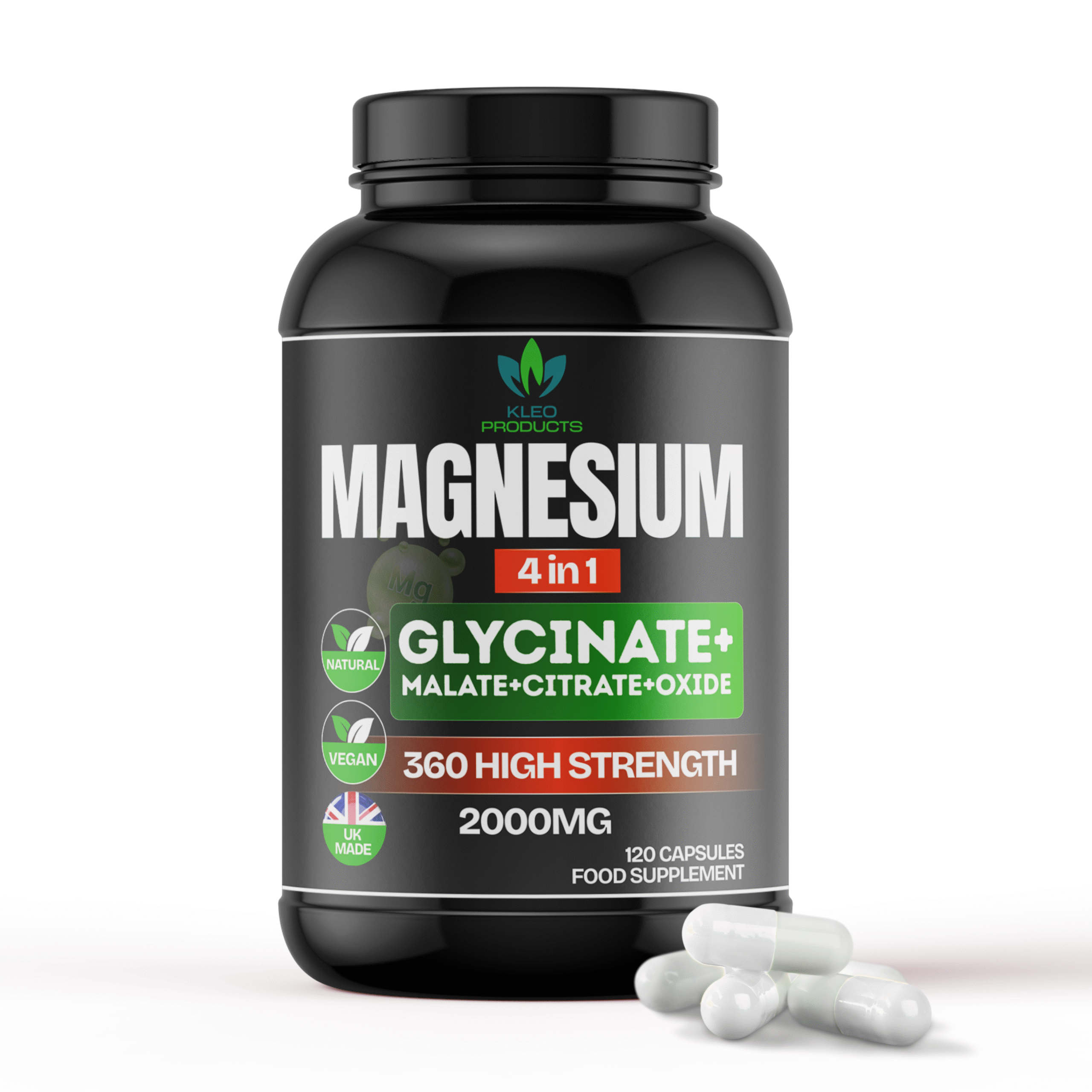
What Is Magnesium Glycinate and Why Is It So Popular?
Magnesium glycinate has quickly become one of the most popular magnesium supplements on the market, and for good reason. Known for its high absorption rate and gentle effect on the stomach, magnesium glycinate is widely used to support sleep, relaxation, muscle recovery, and overall health.
But what exactly is magnesium glycinate, and why are so many people choosing it over other forms of magnesium?
What Is Magnesium Glycinate?
Magnesium glycinate is a combination of magnesium and glycine, an amino acid that plays an important role in supporting the nervous system and promoting relaxation.
This form of magnesium is known as a “chelated” mineral, meaning the magnesium is bound to glycine. Chelation helps improve the body’s ability to absorb and utilize magnesium more effectively than some other forms of magnesium supplements.
Because of its superior bioavailability, magnesium glycinate is often recommended for individuals looking to correct magnesium deficiency or increase their daily magnesium intake.
Why Is Magnesium Important?
Magnesium is one of the most essential minerals in the human body. It is involved in more than 300 biochemical reactions, including:
- Supporting muscle function
- Maintaining healthy nerve function
- Regulating blood pressure
- Promoting heart health
- Supporting bone strength
- Helping the body produce energy
- Contributing to healthy sleep patterns
Unfortunately, many people do not consume enough magnesium through diet alone, making supplementation increasingly popular.
Why Is Magnesium Glycinate So Popular?
1. Highly Absorbable
One of the biggest advantages of magnesium glycinate is its high absorption rate.
Compared to forms such as magnesium oxide, which can pass through the digestive system with limited absorption, magnesium glycinate is more readily absorbed and utilized by the body.
This means users may experience better results while taking smaller doses.
2. Gentle on the Stomach
Many magnesium supplements can cause digestive discomfort, including bloating, diarrhea, or stomach cramps.
Magnesium glycinate is considered one of the gentlest forms of magnesium available. This makes it an excellent choice for people with sensitive stomachs or those who have experienced side effects from other magnesium supplements.
3. Supports Better Sleep
Many people use magnesium glycinate as part of their nightly routine.
Magnesium helps regulate neurotransmitters involved in sleep, while glycine may help promote relaxation and calmness. Together, they create a combination that many users find beneficial for improving sleep quality and helping them unwind before bed.
4. Helps Reduce Stress and Promote Relaxation
Modern lifestyles often involve high levels of stress and anxiety.
Magnesium plays a role in regulating the body’s stress response system. Low magnesium levels have been linked to increased feelings of stress and tension.
Because glycine also has calming properties, magnesium glycinate is frequently chosen by individuals looking to support relaxation and emotional well-being.
5. Supports Muscle Recovery
Athletes and fitness enthusiasts often use magnesium glycinate to support muscle function and recovery.
Magnesium contributes to:
- Muscle contraction and relaxation
- Electrolyte balance
- Energy production
- Reduced muscle cramps
After intense exercise, adequate magnesium intake may help support recovery and overall performance.
6. Supports Heart Health
Magnesium plays a critical role in maintaining normal cardiovascular function.
Research suggests that adequate magnesium intake may support:
- Healthy blood pressure levels
- Normal heart rhythm
- Proper circulation
While magnesium supplements should not replace medical treatment, maintaining healthy magnesium levels is an important part of overall heart health.
Signs You May Be Low in Magnesium
Some common signs associated with low magnesium levels include:
- Muscle cramps
- Fatigue
- Difficulty sleeping
- Headaches
- Irritability
- Weakness
- Poor concentration
- Restlessness
If you suspect you may have a magnesium deficiency, it is important to consult a healthcare professional for proper evaluation.
Magnesium Glycinate vs Other Forms of Magnesium
Magnesium Glycinate
- High absorption
- Gentle on digestion
- Excellent for sleep and relaxation
Magnesium Citrate
- Good absorption
- Commonly used for digestive support
- May have a mild laxative effect
Magnesium Oxide
- Lower absorption
- Often used for short-term digestive relief
- More likely to cause gastrointestinal side effects
For individuals seeking daily magnesium support, magnesium glycinate is often considered one of the most effective options.
Best Time to Take Magnesium Glycinate
Magnesium glycinate can be taken at any time of day.
However, many people prefer taking it:
- In the evening to support relaxation
- Before bedtime as part of a sleep routine
- After workouts to support muscle recovery
Following the dosage instructions on the product label is recommended.
Final Thoughts
Magnesium glycinate has earned its popularity because it combines excellent absorption with a gentle digestive profile. Whether your goal is better sleep, improved relaxation, muscle recovery, or general wellness, magnesium glycinate offers a convenient way to increase your magnesium intake.
As with any supplement, it is important to choose a high-quality product and consult a healthcare professional if you have any medical concerns or take prescription medications.
Frequently Asked Questions
Is magnesium glycinate better than magnesium citrate?
Both forms are effective, but magnesium glycinate is generally preferred for sleep, relaxation, and sensitive stomachs.
Can magnesium glycinate help with sleep?
Many users report improved sleep quality due to magnesium’s role in nervous system regulation and glycine’s calming properties.
Can you take magnesium glycinate every day?
Most healthy adults can take magnesium glycinate daily according to the manufacturer’s dosage instructions.
Does magnesium glycinate cause diarrhea?
It is less likely to cause digestive side effects compared to some other forms of magnesium, such as magnesium citrate or magnesium oxide.
Who should take magnesium glycinate?
It may be beneficial for individuals looking to support relaxation, sleep quality, muscle recovery, and overall magnesium intake.