Ashwagandha: 7 Powerful Potential Benefits for Stress, Sleep and Overall Wellness
Introduction
Modern life can be demanding. Between work responsibilities, family commitments, financial pressures and everyday challenges, many people struggle to maintain a healthy balance between physical and mental wellbeing.
This has increased interest in natural wellness products and traditional herbs that may help support the body’s response to everyday stress. One ingredient attracting considerable attention is ashwagandha.
Ashwagandha is a traditional medicinal herb that has been used for centuries in Ayurvedic medicine. Today, it is widely available as a dietary supplement, particularly in capsule and powder form.
But what does science actually say about ashwagandha benefits? Can it help with stress, improve sleep or support general wellbeing?
In this guide, we explore seven potential benefits, how ashwagandha works, how to choose a supplement and the precautions worth knowing before using it.
What Is Ashwagandha?
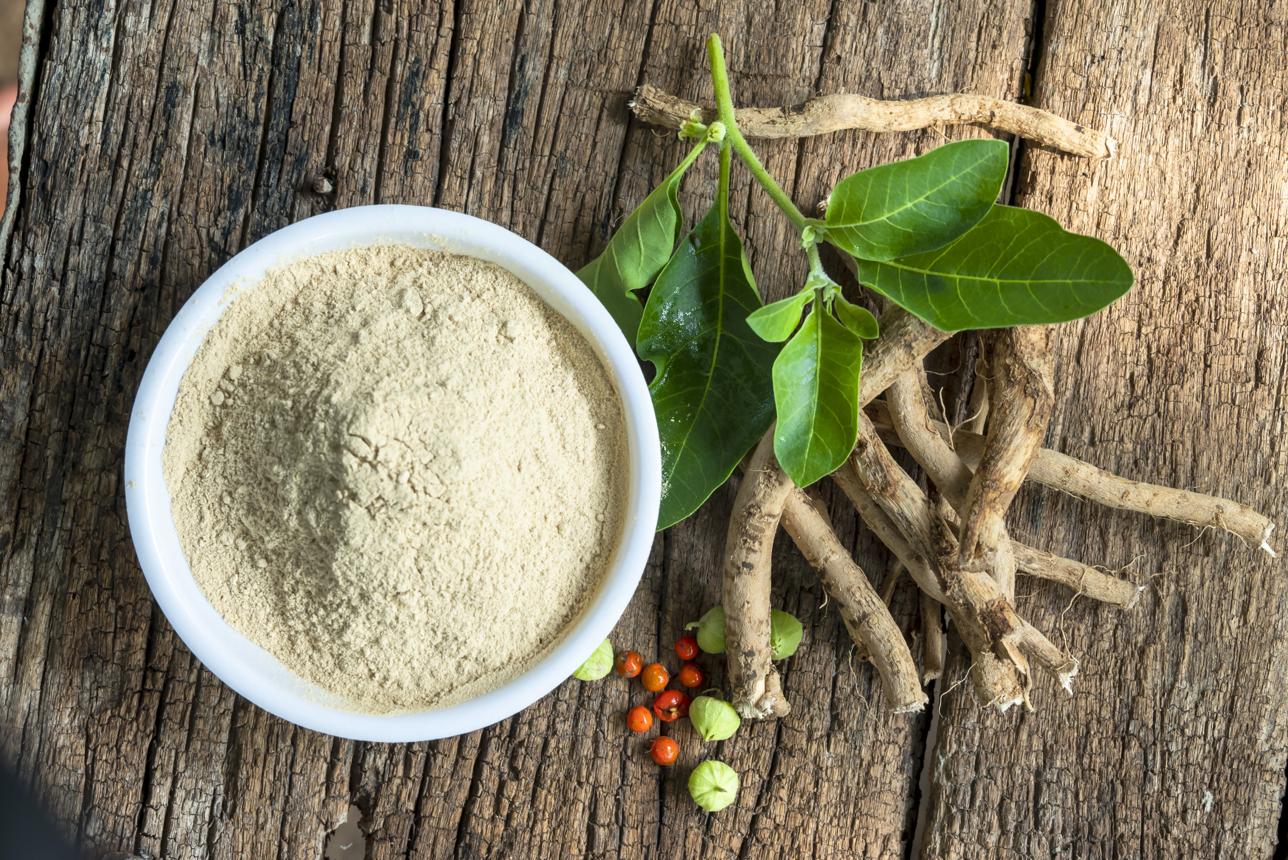
Ashwagandha, scientifically known as Withania somnifera, is an evergreen shrub found in parts of India, Africa and the Middle East.
Its roots and leaves contain naturally occurring compounds called withanolides, which researchers are studying for their potential biological effects.
The herb is traditionally classified as an adaptogen. Adaptogens are substances traditionally believed to help the body respond to physical and psychological stress. However, this classification does not mean every claimed benefit has been scientifically established.
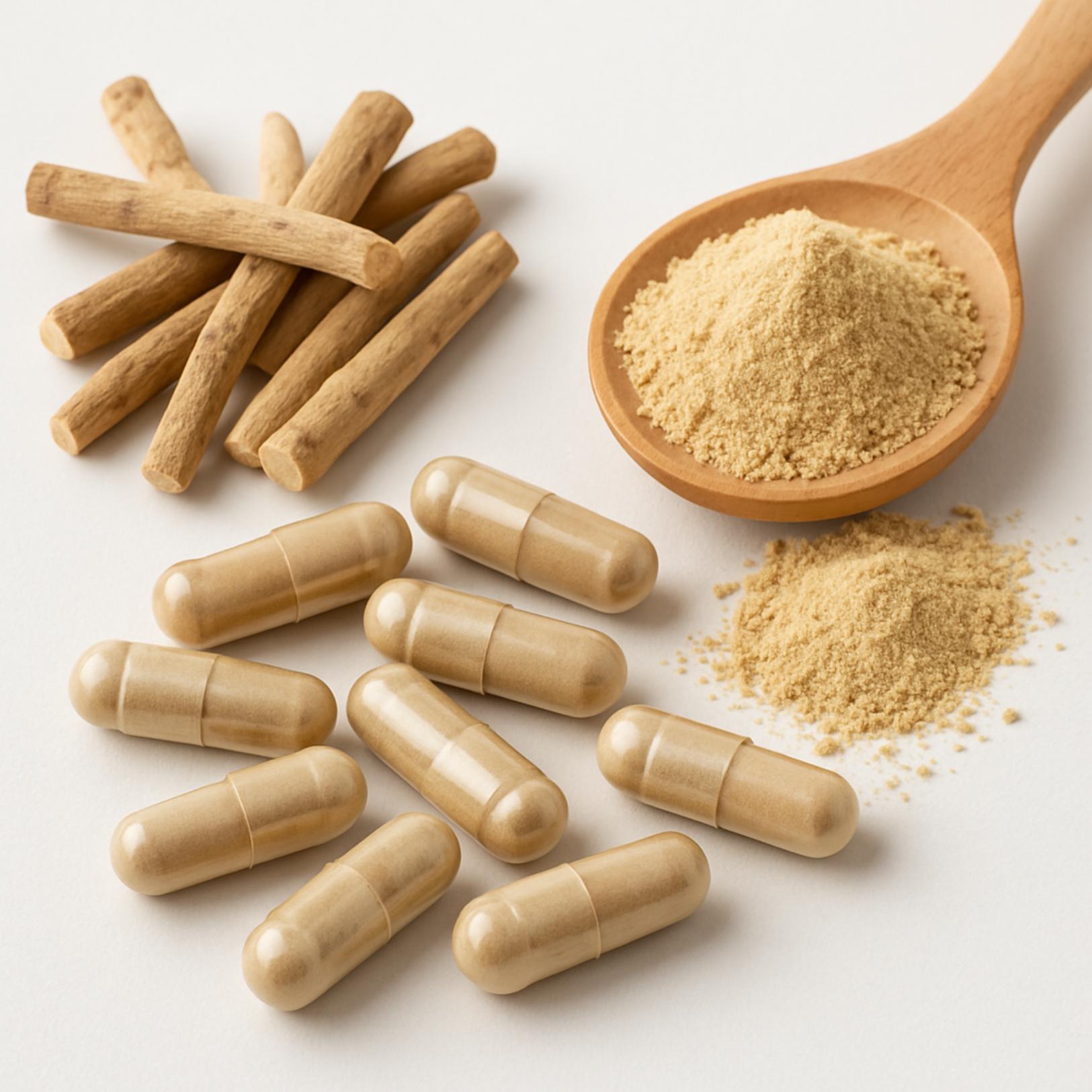
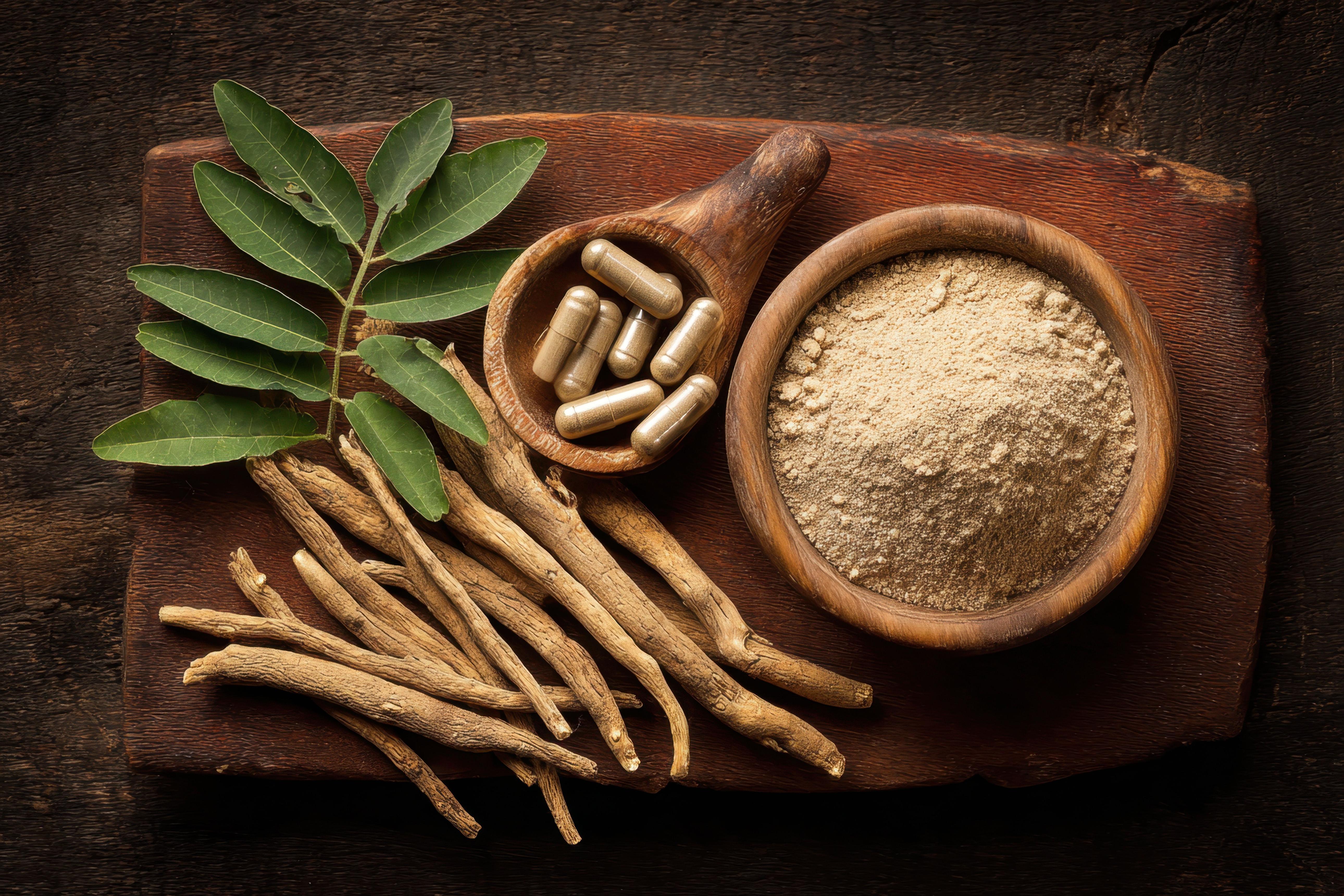
Ashwagandha is commonly sold as capsules, powders and extracts. Different products may contain different concentrations and combinations of plant compounds, so checking the product label is important.
7 Potential Benefits of Ashwagandha
1. May Help the Body Manage Everyday Stress
One of the most widely researched ashwagandha benefits is its potential role in stress management. Some clinical studies suggest that particular ashwagandha extracts may help reduce perceived stress and cortisol levels. Cortisol is a hormone produced by the body in response to stress.
A review of clinical research found that participants taking certain ashwagandha preparations experienced improvements in stress-related measurements compared with those receiving a placebo.
However, the results should be interpreted carefully because studies have used different extracts, doses and durations. Ashwagandha should not replace professional support for persistent stress or mental health concerns.
2. May Support Better Sleep Quality
Getting sufficient sleep is essential for physical recovery, concentration, mood and general health. Some research suggests that ashwagandha may help people experiencing sleep difficulties.
Furthermore, small clinical studies have reported improvements in sleep quality, the time taken to fall asleep and total sleeping time.
The potential effects appear particularly relevant to people experiencing insomnia or sleep-related difficulties. Nevertheless, ashwagandha is not a sleeping medication, and it should not be considered a guaranteed solution for sleep problems.
Maintaining consistent sleeping hours, limiting caffeine late in the day and creating a comfortable sleeping environment remain important habits.
3. May Support Physical Recovery and Exercise Performance
Physical activity places demands on the muscles and the body’s energy systems. Proper nutrition, hydration and recovery are important for maintaining an active lifestyle.
Some studies have investigated whether ashwagandha supplementation may support physical performance, strength and recovery. Although early findings are encouraging, the evidence remains limited and does not establish that ashwagandha will improve athletic performance for everyone.
People interested in exercise performance should prioritise balanced nutrition, regular training and adequate rest. For those exploring other exercise-related supplements, KleoProducts also offers creatine monohydrate powder.
4. May Support Relaxation and Emotional Wellbeing
Stress can affect how people feel throughout the day. It may contribute to restlessness, difficulty concentrating and a general feeling of being overwhelmed.
Some preliminary research suggests that certain ashwagandha extracts may support relaxation and improve subjective feelings of wellbeing. However, evidence concerning its effects on clinical anxiety remains unclear.
It is also important to understand the difference between supporting general wellbeing and treating a diagnosed mental health condition. Ashwagandha should not be used as a substitute for prescribed treatment or professional advice.
5. May Help Support Healthy Ageing
Maintaining physical strength, mobility and general wellbeing becomes increasingly important as people grow older. Nutrition, regular movement, sufficient sleep and preventive healthcare all contribute to healthy ageing.
Ashwagandha got investigated for several potential biological effects, including its antioxidant properties. However, there is currently insufficient high-quality human evidence to conclude that it prevents ageing or age-related diseases.
Rather than an established anti-ageing solution, Ashwagandha is therefore better viewed as an ingredient under investigation.
6. Contains Naturally Occurring Antioxidant Compounds
Ashwagandha contains several naturally occurring plant compounds, including withanolides. Antioxidants are substances that help protect cells against oxidative damage caused by unstable molecules known as free radicals.
Laboratory and animal research has identified antioxidant activity associated with some ashwagandha compounds.
However, laboratory findings do not automatically translate into proven health benefits in humans. Scientists need to conduct more studies to determine how these effects influence people who take ashwagandha supplements.
7. May Support General Wellness When Combined With Healthy Habits
Overall wellness involves several interconnected factors, including nutrition, movement, sleep, stress management and social wellbeing.
Ashwagandha has attracted interest because of its possible effects on stress and sleep. These areas can influence how people feel and function throughout the day.
However, supplements work within a broader lifestyle. They cannot compensate for poor nutrition, inadequate sleep or a lack of physical activity. A balanced approach remains the foundation of sustainable wellbeing.
How Do You Choose an Ashwagandha Supplement?
Not all ashwagandha supplements are identical. Their strength, extraction methods and ingredient combinations can vary. Before purchasing, consider the following:
- Check the ingredient list: Look for products that clearly identify ashwagandha and specify the plant extract used.
- Review the extract standardisation: Some products indicate their withanolide content. This information helps consumers understand the extract’s composition.
- Check the serving information: Follow the manufacturer’s instructions and avoid assuming that a higher dose is automatically more effective.
- Consider product quality: Choose products with clear labelling, transparent manufacturing information and appropriate quality testing.
- Speak with a healthcare professional: This is particularly important if you have an existing medical condition or take prescription medication.
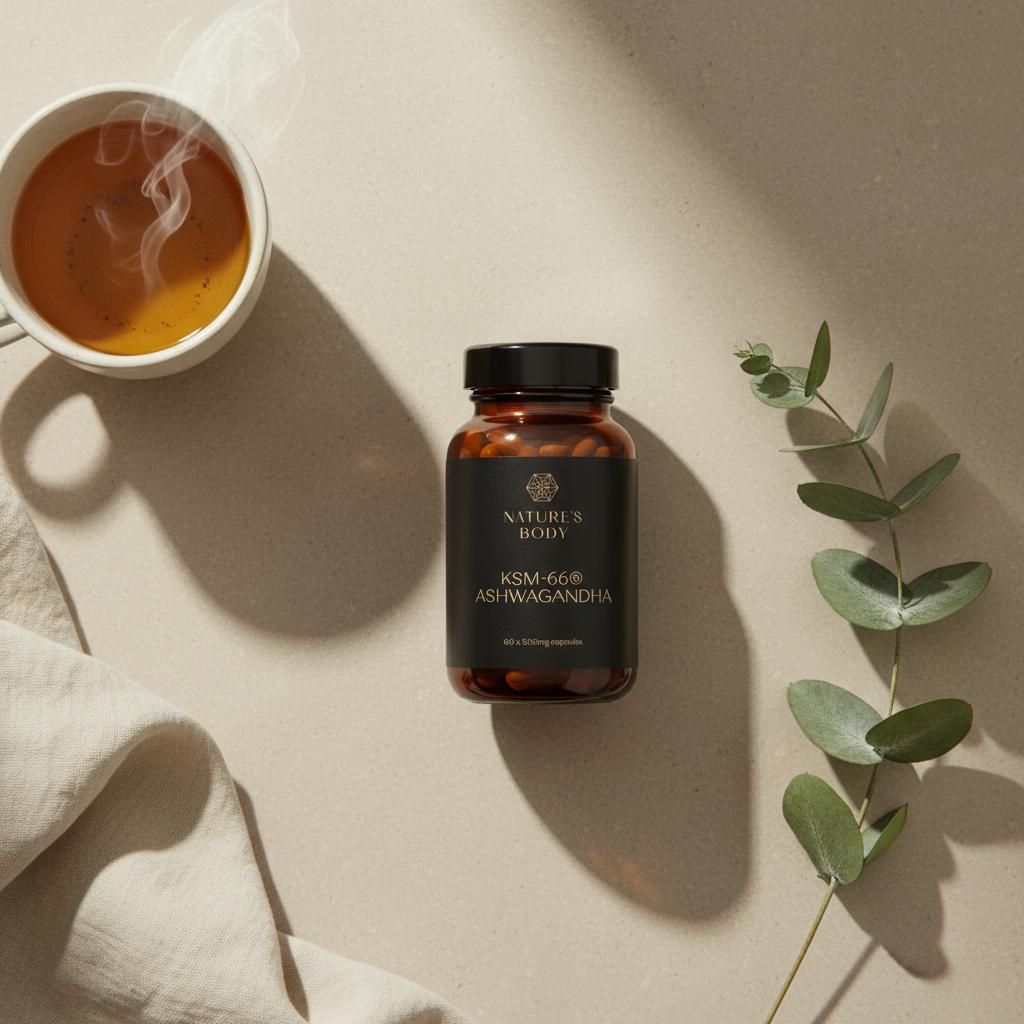
KleoProducts offers an Organic Ashwagandha with KSM-66 supplement. Review the available product information and ingredients before deciding whether it suits your needs.
Are There Any Side Effects or Safety Concerns?
Although ashwagandha is a natural herb, natural does not automatically mean risk-free. Some people may experience side effects such as:
- Stomach discomfort.
- Nausea.
- Loose stools or diarrhoea.
- Drowsiness.
- Vomiting.
There have also been reports linking ashwagandha supplements with liver injury. Its effects on thyroid function and possible interactions with certain medications are additional considerations.
People who are pregnant or breastfeeding need to avoid ashwagandha. In addition, People with thyroid or autoimmune disorders, those preparing for surgery and individuals taking medications that may interact with the herb should seek professional medical advice before considering it.
Evidence about long-term safety is also limited. Current research does not establish that continuous use over many months or years is safe. For further information, consult the US National Institutes of Health’s Ashwagandha fact sheet.
Ashwagandha vs Magnesium: Are They the Same?
Although people frequently discuss both in conversations about relaxation and sleep, Ashwagandha and magnesium are different substances. Ashwagandha is a plant-derived herbal supplement being studied for its potential effects on stress and sleep.
Magnesium, however, is an essential mineral that supports hundreds of functions in the body, including healthy muscle and nerve function. Although both supplements offer different potential benefits, neither can replace the other.
People interested in magnesium supplementation can explore KleoProducts Magnesium Glycinate and review its ingredients and serving information.
Frequently Asked Questions About Ashwagandha
How long does ashwagandha take to work?
There is no guaranteed timeline. Some clinical studies have examined outcomes after six to eight weeks, while others have used different periods. Results vary depending on the extract, individual circumstances and the outcome measured.
Can ashwagandha improve sleep?
Some small studies suggest that certain preparations may improve sleep quality and other sleep measurements. Although we require more research, it is also not a replacement for appropriate treatment of sleep disorders.
Can I take ashwagandha every day?
A few short-term studies examine daily use. However, we have not established long-term safety. Follow professional guidance and the product’s instructions.
Is ashwagandha suitable for everyone?
No. Pregnant and breastfeeding women should avoid it. People with thyroid or autoimmune conditions, those preparing for surgery and people taking certain medications should seek medical advice before use.
Is ashwagandha a treatment for anxiety?
No. Although some studies suggest potential benefits for stress, the evidence concerning anxiety is not conclusive. It should not replace professional mental healthcare.
Final Thoughts
Ashwagandha is an interesting traditional herb that continues to attract scientific attention. Research suggests that certain preparations may support stress management and sleep quality, although many advertised benefits still require stronger evidence.
Therefore, the best approach is to make informed decisions, choose clearly labelled supplements and maintain healthy everyday habits.
At KleoProducts, we believe that sustainable wellness starts with informed choices and consistency. Explore our range of wellness supplements, understand what each product offers and choose products that align with your personal health goals.
Your wellbeing deserves attention, patience and informed decisions.