Protein Powder for Weight Loss: Does It Really Work?
Losing weight requires more than simply eating less. Your body needs the right balance of nutrients to maintain energy, support muscle health and help you stay satisfied between meals.
Building healthy eating habits can make it easier to manage food choices and maintain a balanced diet.
Protein plays an important role in this process. It helps build and repair muscles, supports normal body functions and can help you feel fuller after eating.
But what happens when you add protein powder to your daily routine? Can it actually help you lose weight, or is it just another fitness trend?
The answer depends on how you use it.
Protein powder for weight loss can be a convenient way to increase your daily protein intake. However, it does not directly burn fat or guarantee a smaller waistline. Your overall diet, activity level and calorie intake still matter.
Let’s explore how it works and whether it deserves a place in your weight-management routine.
What Is Protein Powder?
Protein powder is a dietary supplement that provides concentrated protein in an easy-to-mix form. Manufacturers produce different types using animal-based or plant-based ingredients.
Common varieties include:
- Whey protein, made from milk.
- Casein protein, also made from milk.
- Soy protein, made from soybeans.
- Pea protein, made from yellow peas.
- Rice protein, made from rice.
- Blended plant protein, made from several plant sources.
People often mix protein powder with water, milk or smoothies. They can also add it to foods such as oats and yoghurt.
The main purpose is to help people meet their daily protein requirements when regular meals do not provide enough.
Does Protein Powder Really Help With Weight Loss?
Yes, protein powder can support weight loss, but it does not work like a fat-burning supplement. Its main benefit comes from helping you manage hunger while maintaining adequate protein intake.
Weight loss occurs when your body uses more energy than you consume over time. This is known as a calorie deficit. The Mayo Clinic’s explanation of protein shakes and weight loss highlights their potential benefits and limitations.
Protein powder may help you achieve this goal when it replaces a higher-calorie snack or complements a balanced eating plan without pushing your calorie intake too high.
However, adding protein shakes on top of your normal meals without adjusting your overall intake can make weight loss more difficult. The important factor is how protein fits into your daily diet.
6 Ways Protein Powder Can Support Weight Loss
1. It Helps You Feel Fuller for Longer
Hunger is one of the biggest challenges people face when trying to lose weight. Reducing food portions can leave you feeling hungry, especially when your meals contain very little protein.
Protein helps promote feelings of fullness. This can make it easier to manage portions and avoid unnecessary snacking.
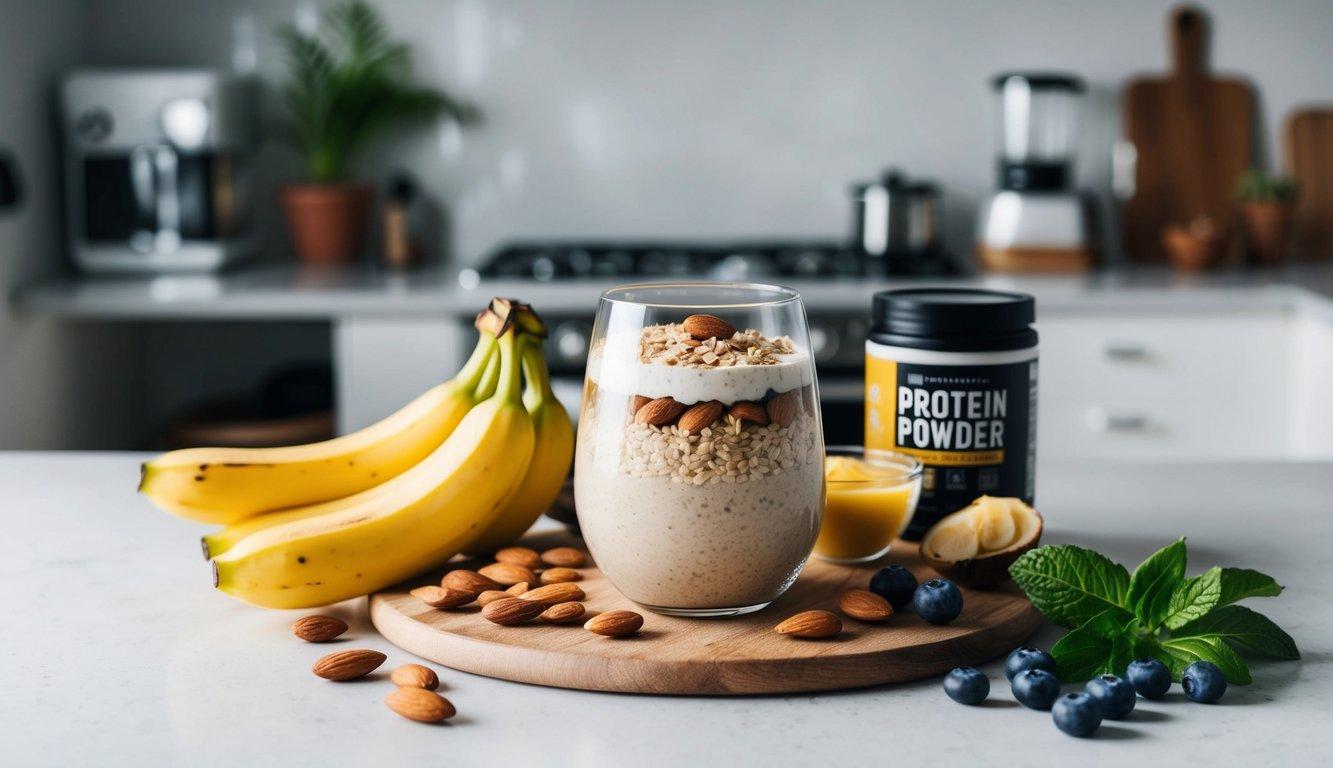
For example, a smoothie containing protein powder, milk and fruit may provide a more satisfying snack than a sugary drink. As a result, you may find it easier to maintain your eating plan.
2. It Helps Maintain Muscle During Weight Loss
When you lose weight, your body can lose both fat and lean muscle. This is one reason why healthy weight management should focus on body composition rather than the number on the weighing scale alone.
Protein provides amino acids that your body uses to build and repair muscle tissue. Getting enough protein while losing weight can help preserve lean muscle mass, particularly when combined with resistance training.
A systematic review on higher protein intake during weight loss discusses how protein may help preserve lean body mass. This matters because maintaining muscle supports strength, movement and overall physical function.
3. It Supports Recovery After Exercise
Exercise is an important part of a healthy weight-management routine. Activities such as walking, running, cycling and strength training help increase energy expenditure. However, exercise also places demands on your muscles.
Protein provides the building blocks needed for muscle repair and recovery. A protein shake after a workout can offer a convenient source of protein, particularly when you cannot prepare a full meal immediately.
Still, your total daily protein intake matters more than relying on a particular post-workout time.
4. It Can Make Healthy Eating More Convenient
Busy schedules can make it difficult to prepare balanced meals throughout the day. You may skip breakfast, choose fast food during lunch or reach for sugary snacks when hunger strikes.
Protein powder offers a quick option when you need additional protein. You can mix it into a smoothie with:
- Bananas.
- Berries.
- Low-fat milk.
- Greek yoghurt.
- Oats.
- Unsweetened plant milk.
These ingredients can create a filling snack or breakfast option. However, whole foods should remain an important part of your diet because they provide fibre, vitamins and minerals that protein powder may not contain.
5. It May Help Reduce Unnecessary Snacking
People often struggle with weight management because they eat frequently without feeling satisfied. A meal containing enough protein, fibre and healthy fats can help reduce hunger between meals.
For example, instead of having biscuits and a sugary drink, you could choose Greek yoghurt with fruit or a measured protein smoothie. This simple adjustment may help you manage your daily calorie intake.
Remember, protein powder only helps when it supports better eating habits rather than adding unnecessary calories.
6. It Can Support a More Balanced Weight-Loss Plan
Successful weight management involves several lifestyle habits. You need nutritious meals, regular physical activity, enough sleep and a routine you can maintain.
Protein powder can make it easier to meet your protein needs when your normal diet falls short. However, it should complement your meals rather than replace every major food group.
A sustainable approach will usually deliver better long-term results than extreme diets or restrictive eating patterns.
How to Choose the Right Protein Powder for Weight Loss
Not every protein powder offers the same nutritional value. Before buying one, consider the following factors.
1. Protein per serving: Check how much protein each scoop provides. Compare products rather than relying on marketing claims.
2. Added sugar: Some powders contain large amounts of added sugar, which can increase their calorie content.
3. Total calories: Look at the full nutritional label, including fats and carbohydrates.
4. Ingredients: Choose products with clearly listed ingredients and appropriate quality standards.
5. Dietary requirements: Consider lactose intolerance, allergies and whether you prefer animal-based or plant-based protein.
6. Digestibility: Choose a formula that suits your stomach and does not cause discomfort.
The best option is one that fits your nutritional needs, preferences and daily routine.
How Much Protein Do You Need When Losing Weight?
Your protein requirements depend on your body weight, activity level, age and overall health. The general recommended dietary allowance for healthy adults is approximately 0.8 grams of protein per kilogram of body weight daily.
However, some people benefit from a higher intake during weight loss, particularly those who exercise regularly or want to maintain muscle.
For example, a person weighing 70 kg would need approximately 56 grams of protein daily at the basic recommendation of 0.8 grams per kilogram.
Higher targets may be appropriate in certain situations, but a qualified dietitian can help determine the right amount. People with kidney disease or other medical conditions should seek professional advice before adopting a high-protein diet.
For further scientific information, see this research on protein intake and healthy weight management.
Protein Powder vs Whole Foods: Which Is Better?
Both can contribute to your daily protein intake, but whole foods offer additional nutritional benefits.
| Protein source | Main nutritional benefit |
|---|---|
| Eggs | Protein and essential nutrients |
| Chicken | High-quality complete protein |
| Fish | Protein and beneficial fats |
| Greek yoghurt | Protein and calcium |
| Beans | Protein and dietary fibre |
| Lentils | Protein, fibre and minerals |
| Protein powder | Convenient concentrated protein |
Whole foods should form the foundation of your diet. Protein powder simply provides another option when you need convenience or additional protein.
How to Use Protein Powder Without Gaining Extra Calories
If your goal is weight loss, portion control matters. Here are practical ways to use protein powder wisely:
- Follow the serving size on the product label.
- Mix it with water or unsweetened milk alternatives when appropriate.
- Add fruit rather than large quantities of sweeteners.
- Use it as a snack when it fits your calorie needs.
- Avoid drinking multiple shakes without considering your total daily intake.
- Continue eating balanced meals containing vegetables, fibre and healthy fats.
You can also combine your nutrition plan with regular exercise. Strength training, walking and other enjoyable physical activities can help you maintain a consistent routine.
Common Mistakes to Avoid When Using Protein Powder
Even a good protein powder cannot compensate for poor eating habits. Watch out for these common mistakes:
Drinking too many shakes: Extra calories can slow your progress if you do not account for them.
Replacing every meal: This may leave you short of fibre and other essential nutrients.
Ignoring portion sizes: A large smoothie can contain far more calories than expected.
Skipping exercise: Protein supports muscle maintenance, but strength training provides an important stimulus for preserving muscle.
Expecting instant results: Healthy weight loss takes time and consistency.
Can Collagen Powder Replace Regular Protein Powder?
Not entirely.
Collagen is a type of protein that contains specific amino acids and may support skin, joints and connective tissue. However, collagen is not considered a complete protein because it does not provide all nine essential amino acids in the amounts needed to serve as a sole protein source.
If your main goal is muscle maintenance or meeting your daily protein requirements, choose a suitable complete protein source.
Kleo Products offers Pure Collagen Powder for people interested in adding collagen peptides to their wellness routine. It can complement a balanced diet, but it should not replace a varied range of dietary protein sources.
Final Thoughts: Is Protein Powder Worth It for Weight Loss?
Protein powder can be a useful addition to a weight-loss plan, particularly when you struggle to get enough protein from regular meals. It can help you feel satisfied, support muscle maintenance and make healthy eating more convenient.
However, it is not a shortcut to losing body fat. For the best results, combine adequate protein intake with balanced meals, portion control, regular exercise and enough sleep.
Most importantly, choose an approach you can maintain over time. Healthy weight management is about building better habits, not relying on one supplement to do all the work.
Frequently Asked Questions About Protein Powder and Weight Loss
1. Does protein powder burn belly fat?
No. Protein powder does not directly burn belly fat. It may support weight management by helping you feel fuller and maintain muscle while following a calorie-controlled diet.
2. Can I drink protein shakes every day?
Yes, many healthy adults can include protein shakes in their daily diet. However, consider your total protein and calorie intake and follow the product instructions.
3. Is whey protein good for weight loss?
Whey protein can support weight management by providing convenient, high-quality protein. It works best when combined with balanced meals and regular exercise.
4. Can I replace breakfast with a protein shake?
Occasionally, a balanced protein smoothie can serve as breakfast. However, make sure it provides enough nutrients and do not rely on shakes as your only source of food.
5. What is the best time to drink protein powder?
There is no single best time. You can take it at breakfast, between meals or after exercise, depending on your nutritional needs and routine.
6. Can protein powder make you gain weight?
Yes, if it increases your daily calorie intake beyond what your body needs. Protein powder contains calories, so portion sizes matter.
7. Is protein powder necessary for weight loss?
No. You can lose weight without protein powder. Foods such as eggs, fish, chicken, beans, lentils and yoghurt can provide sufficient protein.
Explore our range of weight-loss products to discover options that may complement your wellness routine.